

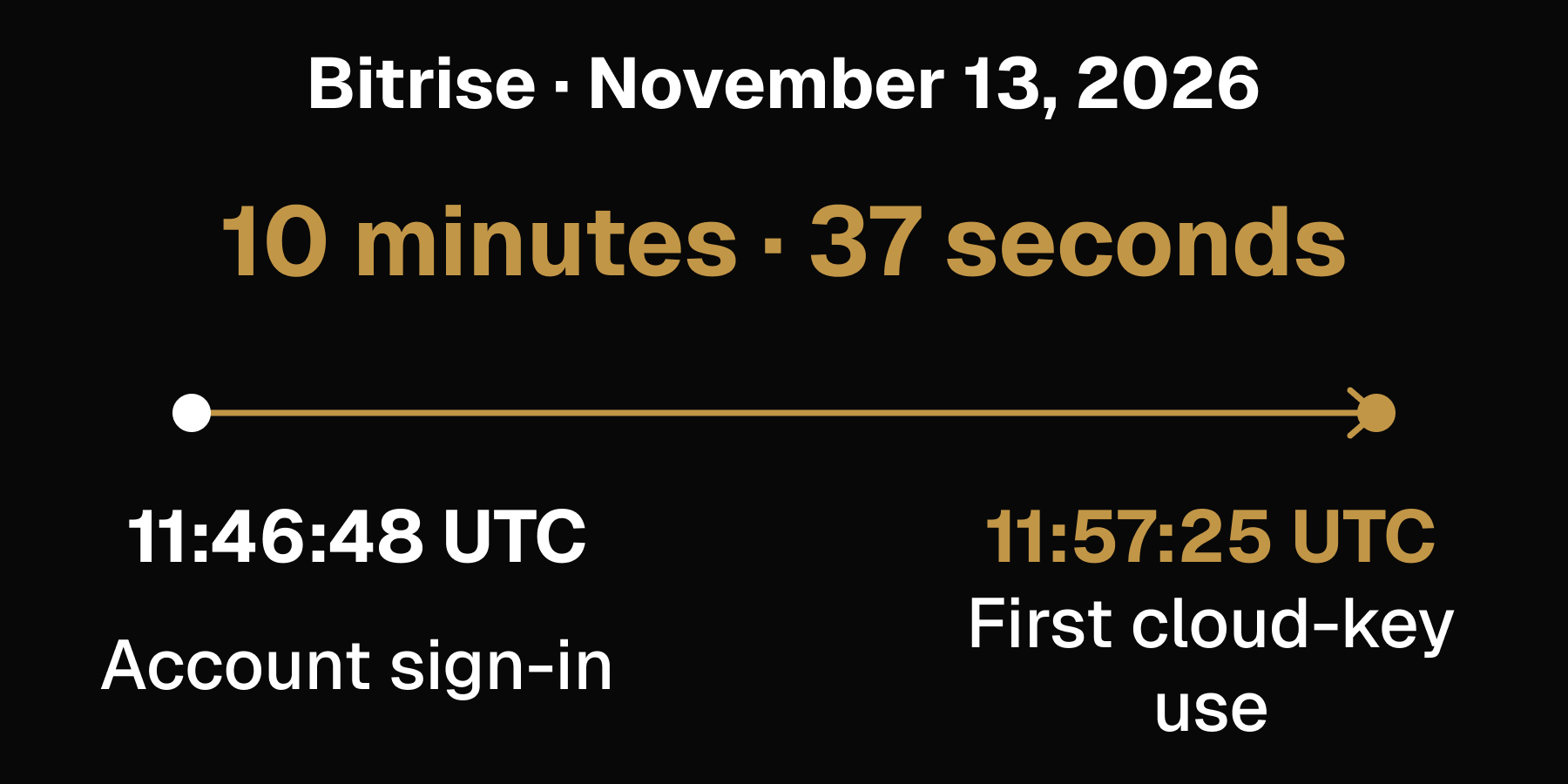
An intruder signs into an old account. Ten minutes and 37 seconds later, a stolen cloud key is already being used. That is the sequence Bitrise describes in its November 19 incident report. Bitrise
Google’s November 16 threat report explains the larger shift: attackers are using AI agents to automate parts of real cyberattacks, with less human direction between steps. Google
What AI changes
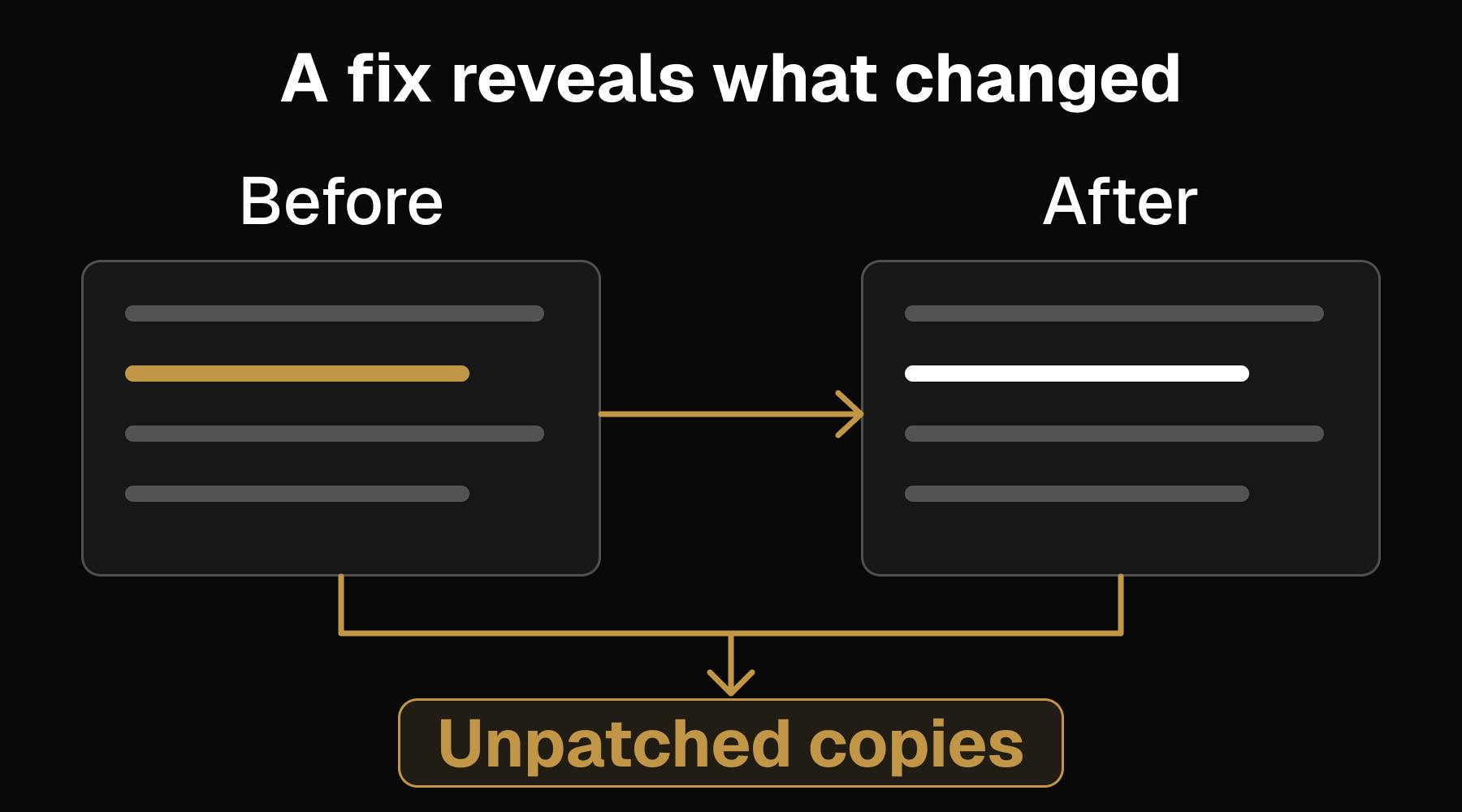
Google found an attacker’s framework that compares software before and after a security fix, identifies a possible weakness, then writes and runs an exploit. Other frameworks adapt their next move using the results of earlier attempts. Google
The implication is a shorter patching window. A public fix can reveal what remains vulnerable on systems that have not installed it. Google
What that speed looks like
Bitrise says the opening in its November 13 intrusion was a dormant internal bot account without two-factor authentication. The company shut down its platform, rotated production credentials and rebuilt its build infrastructure. When the attacker returned on November 18, the attempted reads were denied. Bitrise
The 10-minute, 37-second interval measures account sign-in to first cloud-key use. The intrusion and response lasted much longer. Bitrise
What this means for businesses
The FBI’s November 13 ARTEX warning describes AI-enabled campaigns across industries, including finance, government and healthcare. Its recommendations focus on familiar weaknesses: exposed services, excessive access and leaked credentials. FBI
For businesses, that means knowing which systems face the internet, limiting what each account can reach and investigating unusual activity promptly. The FBI also recommends rotating exposed credentials and preserving evidence during a response. FBI
Our view: security teams need to measure how quickly they can contain a compromised account, alongside how quickly they fix a vulnerability. A forgotten login can become an urgent operational problem.
These reports document specific attacks and techniques. They do not establish that every recent outage was a hack, or that one group caused them all.